Sabaragamuwa

Sinharaja

Discover

UNESCO Rainforest Reserve

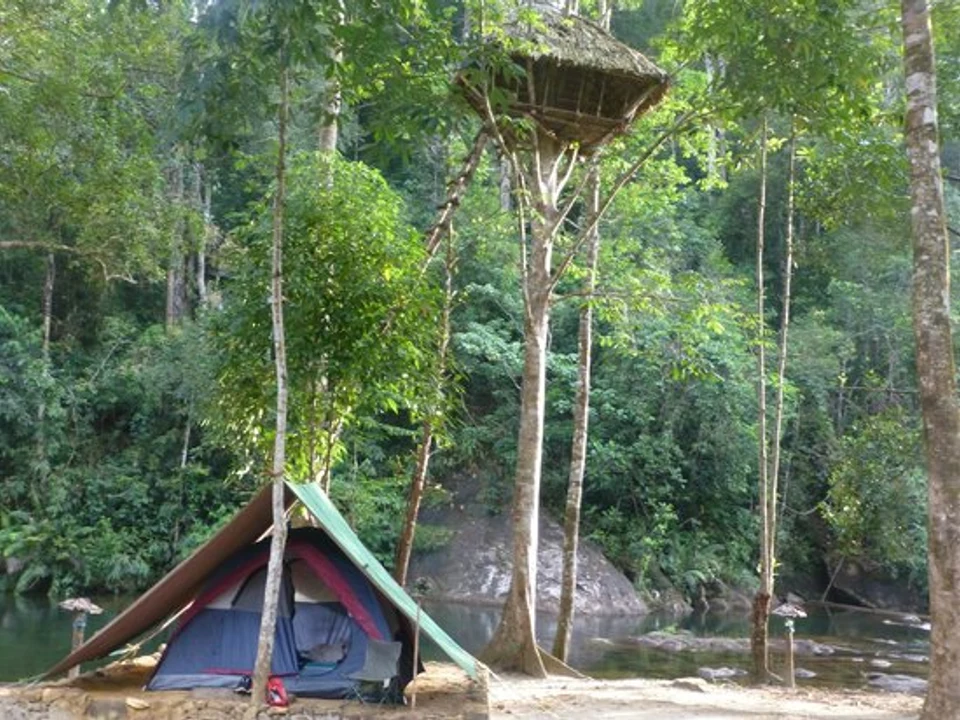
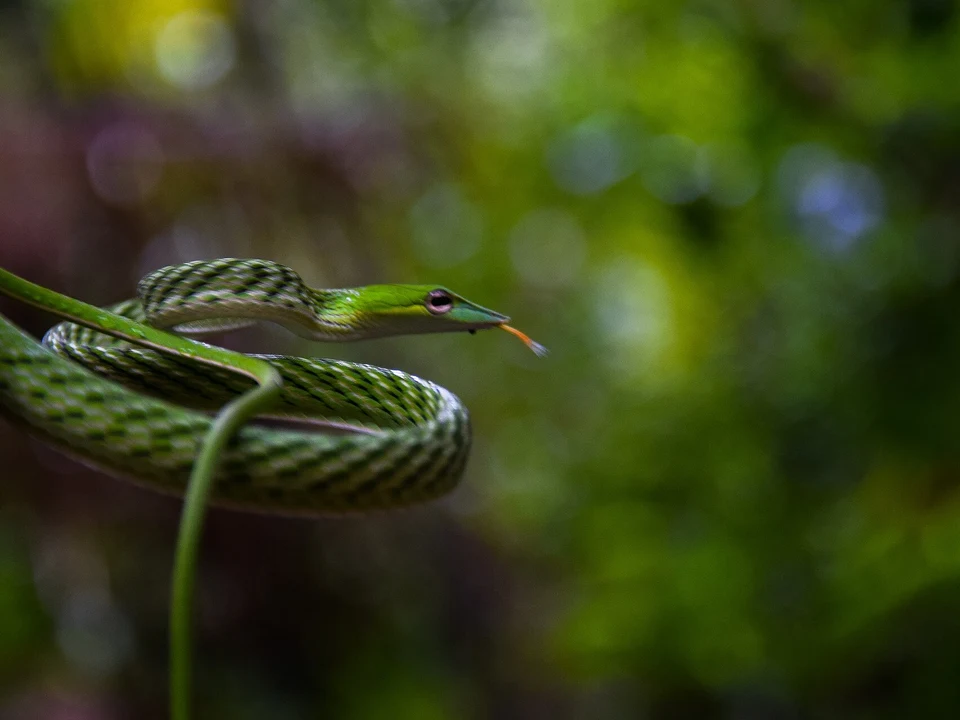
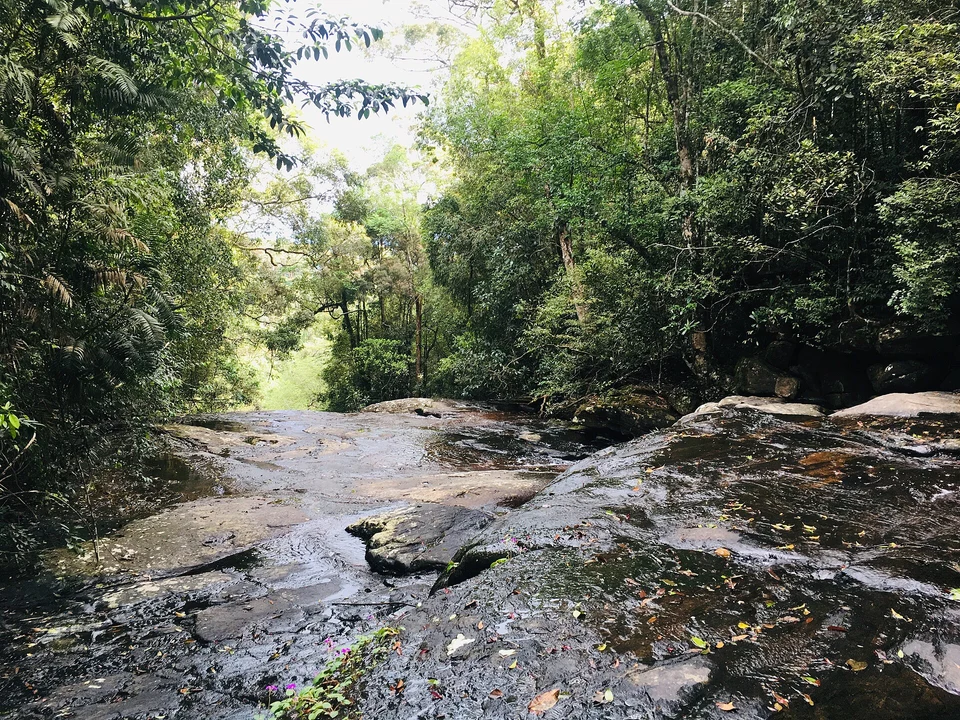
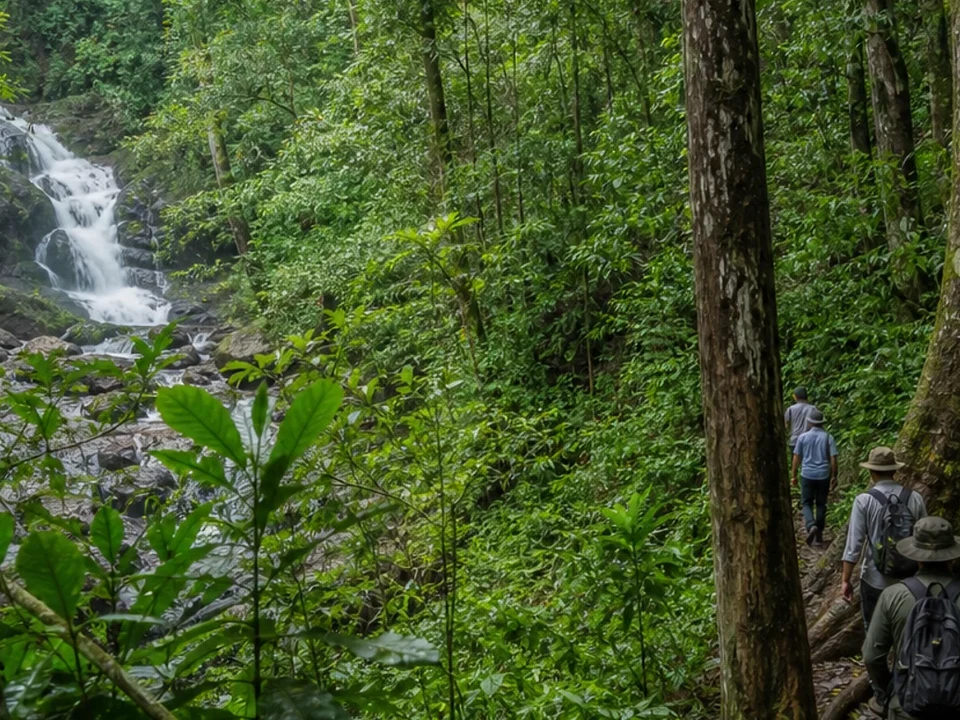
Sinharaja Forest Reserve is Sri Lanka's last viable tract of primary tropical rainforest — a UNESCO World Heritage Site protecting endemic birds, reptiles, and trees found nowhere else on Earth. Guided treks on marked trails reveal giant dipterocarp trees, leeches in wet season, and bird flocks moving through canopy.

Access points include Kudawa, Pitadeniya, and Deniyaya entrances depending on your route — all require local guides registered with the Forest Department. Rain is frequent; waterproofs and leech socks are standard kit.

We slot Sinharaja for nature-focused travellers between Udawalawe, Galle, or Ratnapura — one full day minimum, two for serious birders.

  • Endemic birds
  • Primary forest
  • Guided treks
UNESCO Rainforest Reserve

Must-do

Guided Rainforest Treks

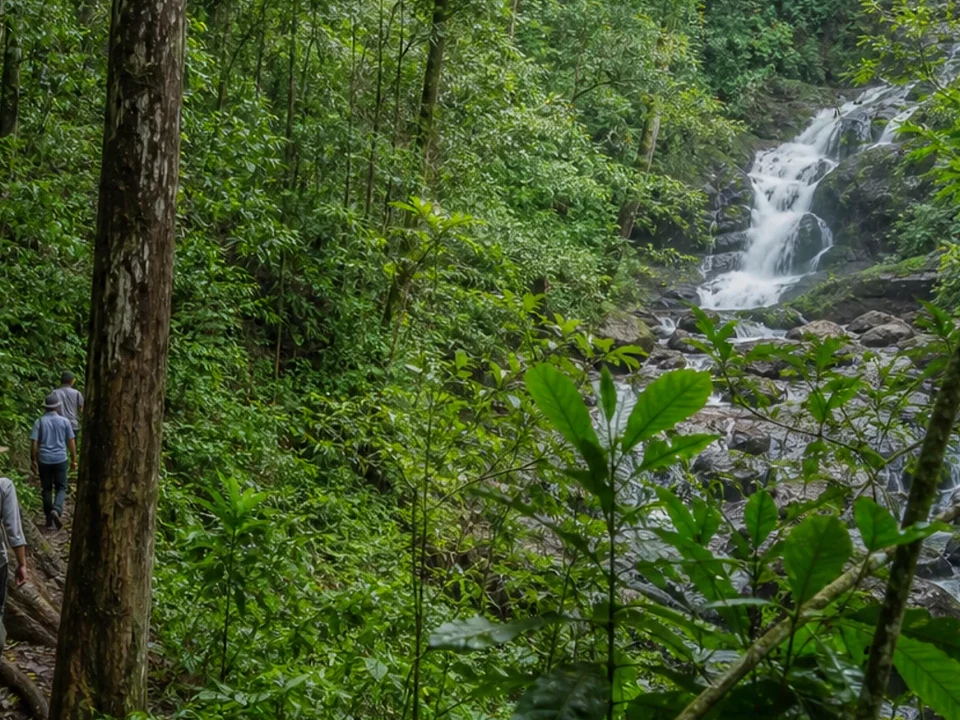
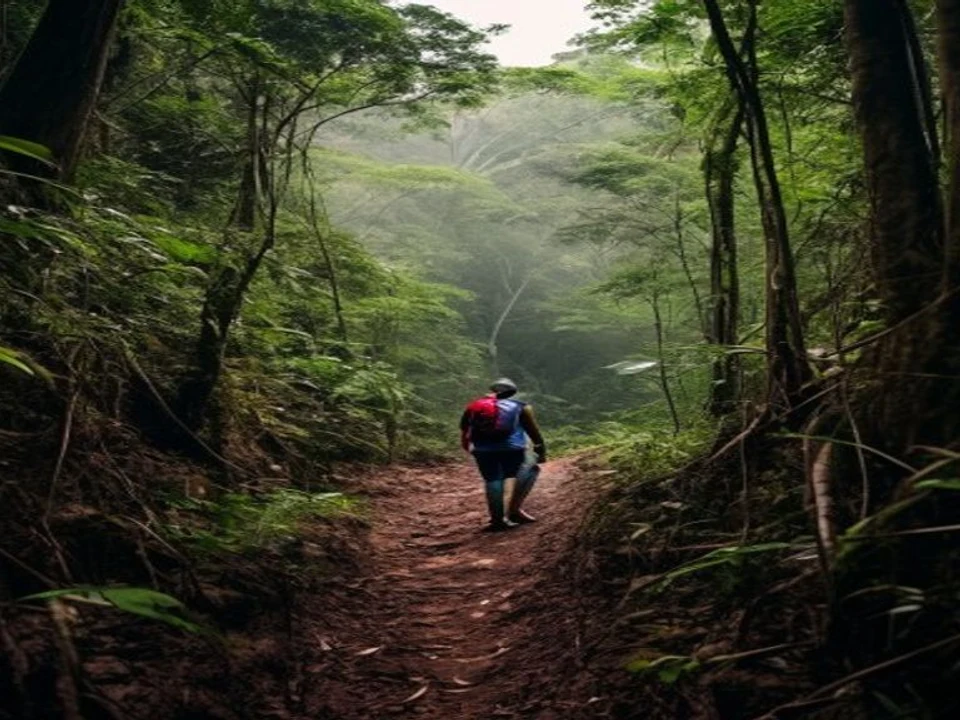
Forest Department guides lead loops from entrance offices — typically four to six hours covering waterfalls, giant trees, and birding stops. Trails can be steep, rooty, and slippery after rain.

Group size affects wildlife encounters — smaller groups see more birds before noise disperses flocks.

We pre-arrange guides and entrance permits; start early when birds are most active and afternoon storms less likely.

  • Registered guides
  • Marked trails
  • Full-day walks
Guided Rainforest Treks

Birding

Endemic Birds & Mixed Flocks

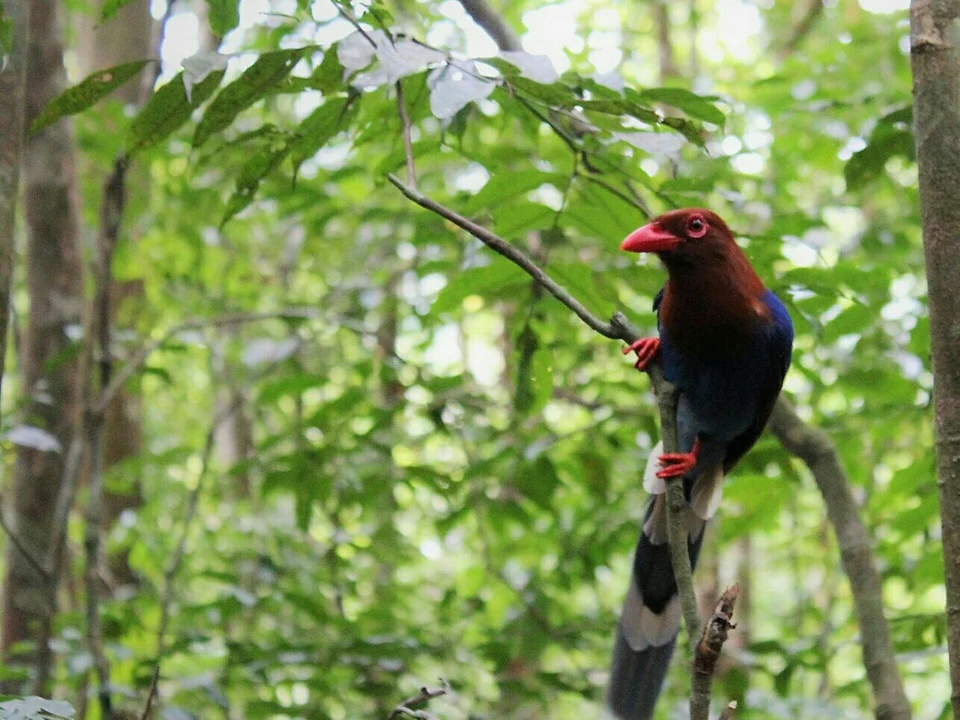
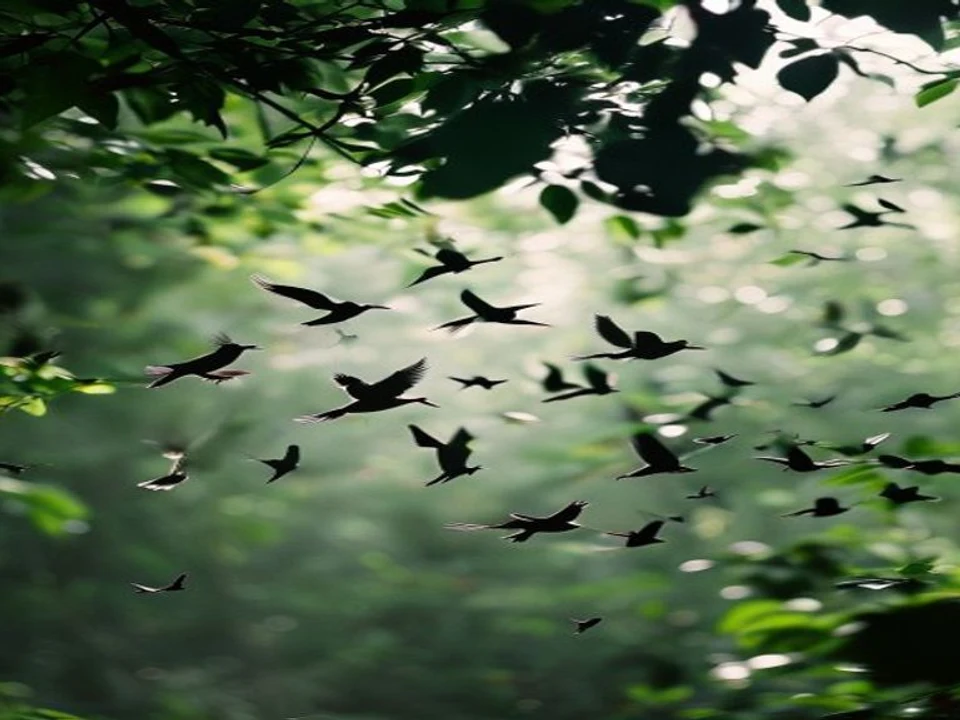
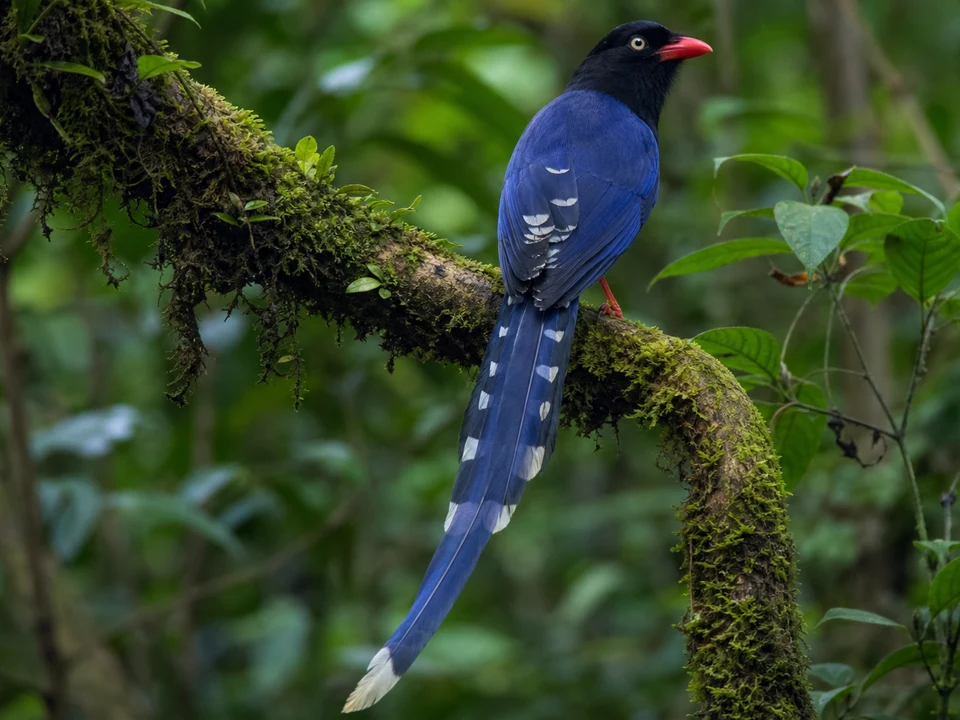
Sinharaja holds nearly all Sri Lanka's endemic bird species — Sri Lanka blue magpie, red-faced malkoha, orange-billed babbler, and ashy-headed laughingthrush among prizes. Mixed-species flocks sweep through trails unpredictably.

Serious birders bring guides with calls knowledge and allow two days at different entrances.

Dawn starts beat heat and crowds — midday forest goes quiet except for insect chorus.

  • Blue magpie
  • Red-faced malkoha
  • Flock feeding
Endemic Birds & Mixed Flocks

Nature

Giant Trees & Forest Ecology

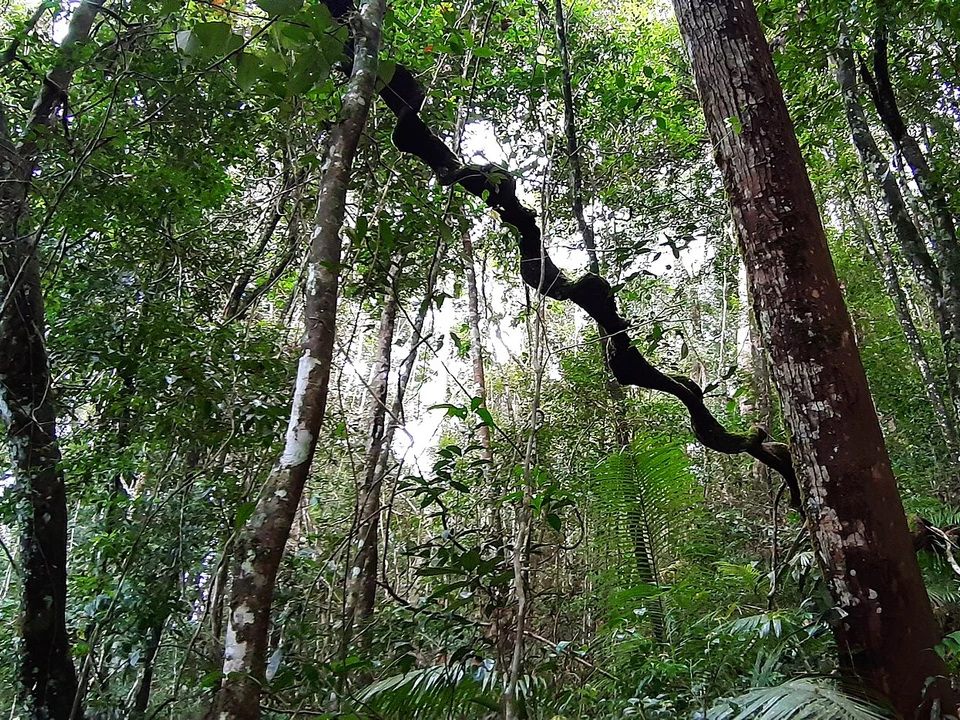
Cathedral-like trees with buttress roots dominate valleys — some individuals centuries old. Guides explain medicinal plants, orchids, and endemic snails easily missed without expert eyes.

Stream crossings swell after rain — sandals with grip or lightweight boots help.

Photography in dim understorey needs high ISO patience — flash disturbs wildlife.

  • Dipterocarp giants
  • Medicinal plants
  • Stream crossings
Giant Trees & Forest Ecology

Logistics

Entrances & Route Planning

Kudawa suits routes from Kandy or Ratnapura; Deniyaya connects Galle and south coast day trips though drives are long. Pitadeniya offers alternative trails less crowded on peak weekends.

We match entrance to your wider loop and monitor weather — heavy rain can close trails or make leeches unbearable for some travellers.

Pack lunch, water, and dry bags for electronics — no shops inside the reserve.

  • Kudawa Pitadeniya
  • Deniyaya
  • Weather windows
Entrances & Route Planning

Good to know

Planning Your Sinharaja Visit

Book registered guides in advance for peak birding season. Leech socks and rain gear are essential — we brief you before trek day.

Opening hours, fees, and seasonal conditions are set by local authorities and can change — we confirm details when you book.

Share your travel dates and interests and we build a private Sinharaja itinerary with the right vehicle, pacing, and local guidance.

  • Private transfers
  • Sabaragamuwa
  • Local chauffeur guides
Planning Your Sinharaja Visit

Plan a trip to Sinharaja

Get a private tour quote tailored to your dates and style.

Chat on WhatsApp