Cultural Triangle

Sigiriya

Heritage

A Royal Fortress in the Sky

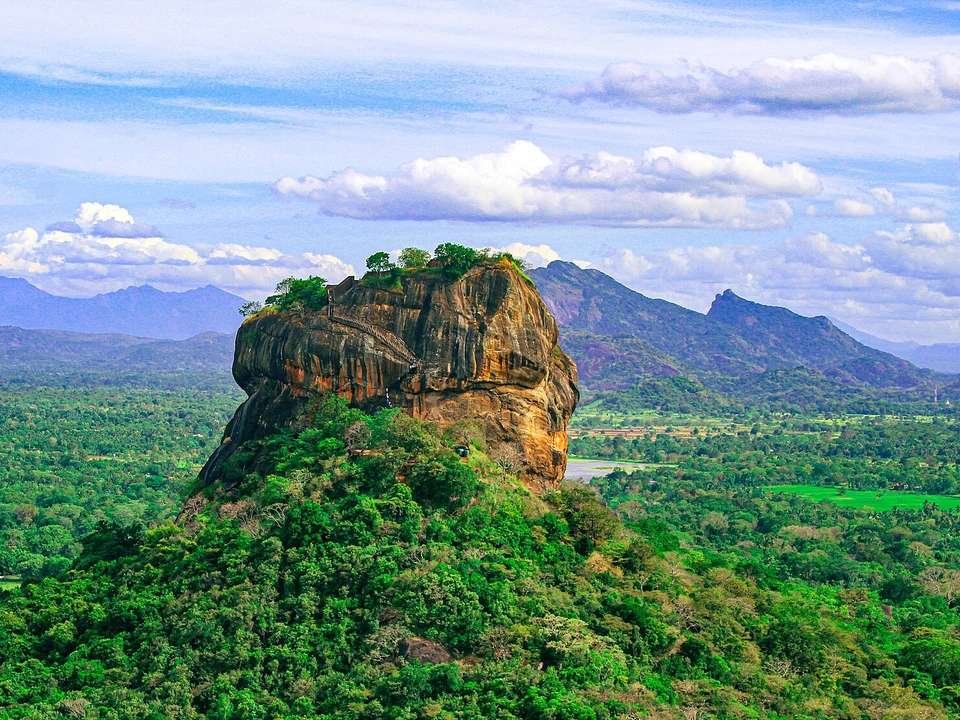
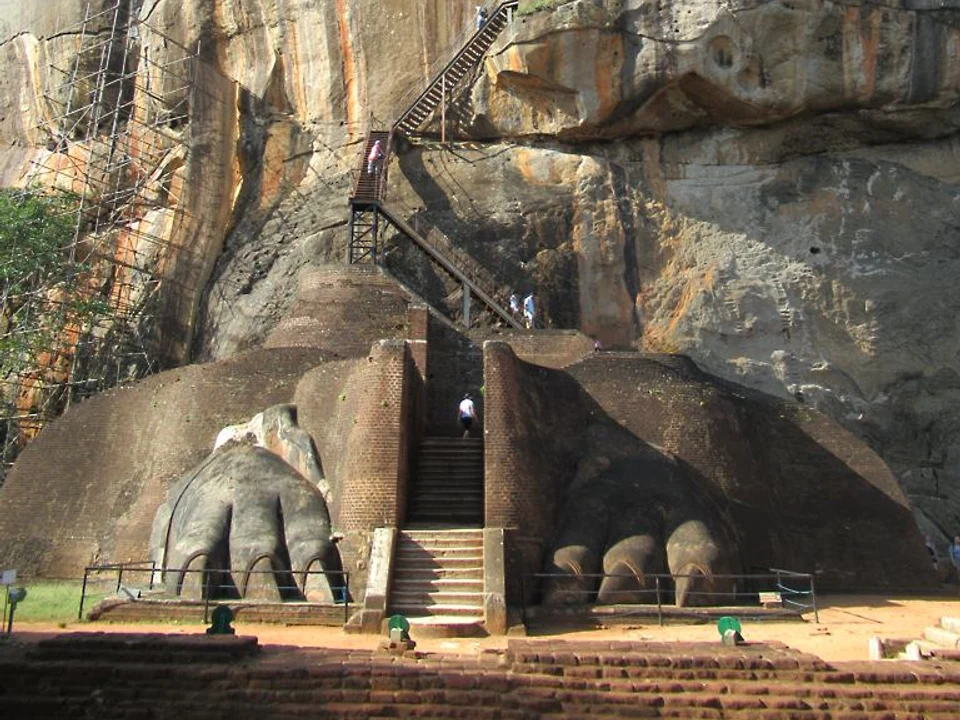
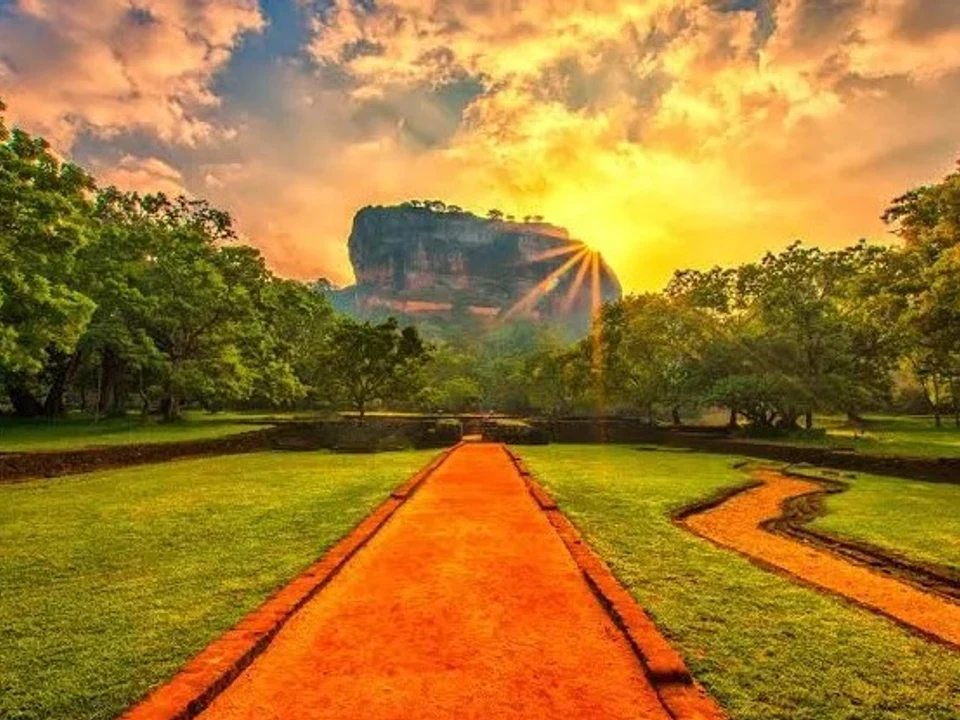
Sigiriya — Sinhala for "Lion Rock" — is a UNESCO World Heritage Site and one of Sri Lanka's most important archaeological landmarks. According to historical chronicles, King Kashyapa established a royal capital here in the 5th century AD, building a palace on the 200-metre-high rock summit and fortifying the approach with gardens, walls, and the famous lion gateway whose stone paws remain today.

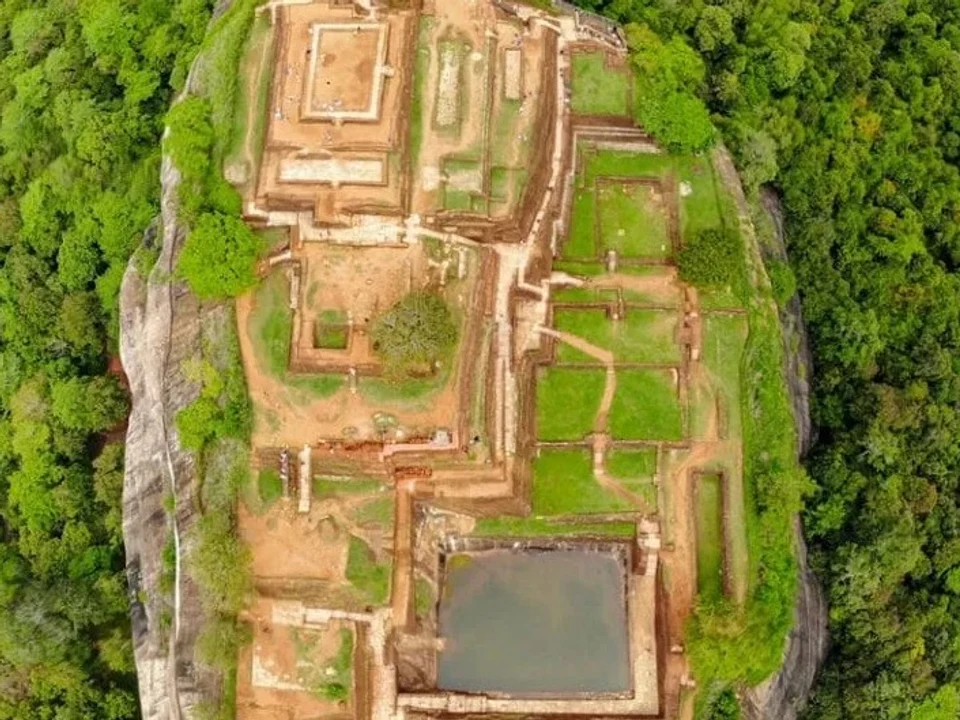
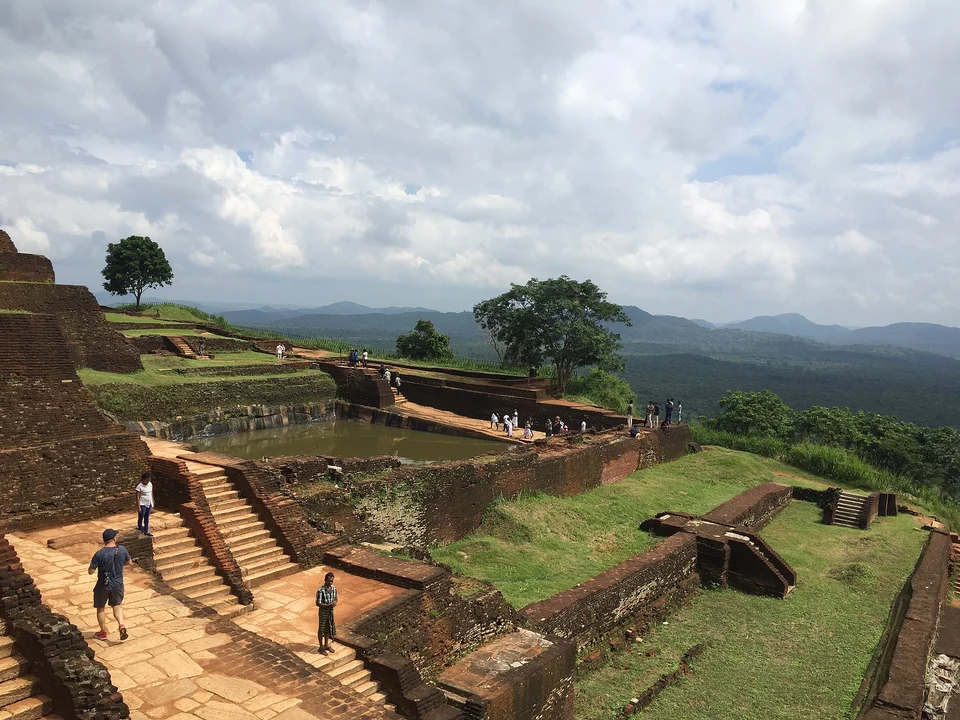
The lower terraces include symmetrical water gardens, moats, and boulder gardens that show advanced ancient planning. After Kashyapa's reign the site continued as a Buddhist monastic centre for centuries before falling into decline. Archaeological work from the 19th century onward restored and studied the ruins visitors see today.

Sigiriya is protected as a cultural heritage site. Visitors should follow marked paths, respect signage, and avoid touching frescoes or inscriptions. We help you plan enough time for the museum, gardens, and climb at a comfortable pace.

  • UNESCO World Heritage
  • 5th century AD
  • King Kashyapa
A Royal Fortress in the Sky

Must-do

Climbing Lion Rock & the Ancient Frescoes

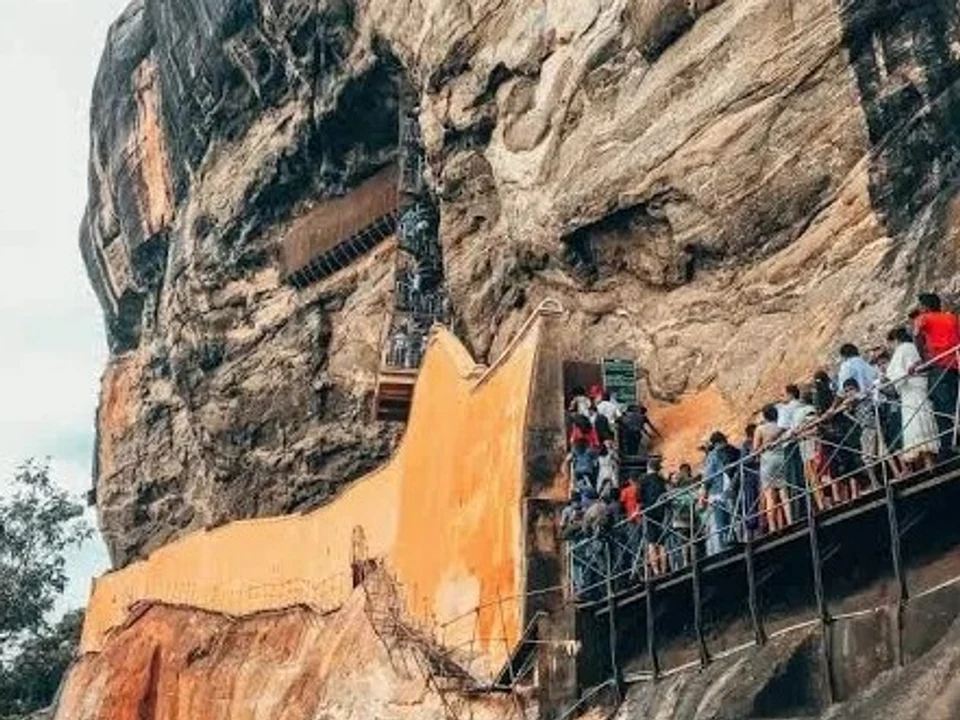
Most visitors take around 60 to 90 minutes to reach the summit, climbing a series of stairways and walkways with rest stops along the way. Highlights include the Mirror Wall — a polished plaster wall with historic graffiti and poems — and the sheltered fresco gallery with ancient paintings of figures often described as celestial maidens.

Higher up, the Lion Platform is marked by two large stone paws; this was once part of a lion-shaped gateway leading to the final ascent. The top holds palace foundations, cisterns, and wide views over forest and lakes. The upper steps can be steep and exposed to wind and sun, so allow extra time if you travel with children, seniors, or anyone uncomfortable with heights.

Ticket counters and opening hours are set by site authorities. We recommend starting early in the morning when temperatures are lower and foot traffic is lighter. Carry water, sun protection, and footwear with good grip.

  • Summit climb
  • Mirror Wall
  • Fresco gallery
Climbing Lion Rock & the Ancient Frescoes

Sunrise

Pidurangala Rock at Dawn

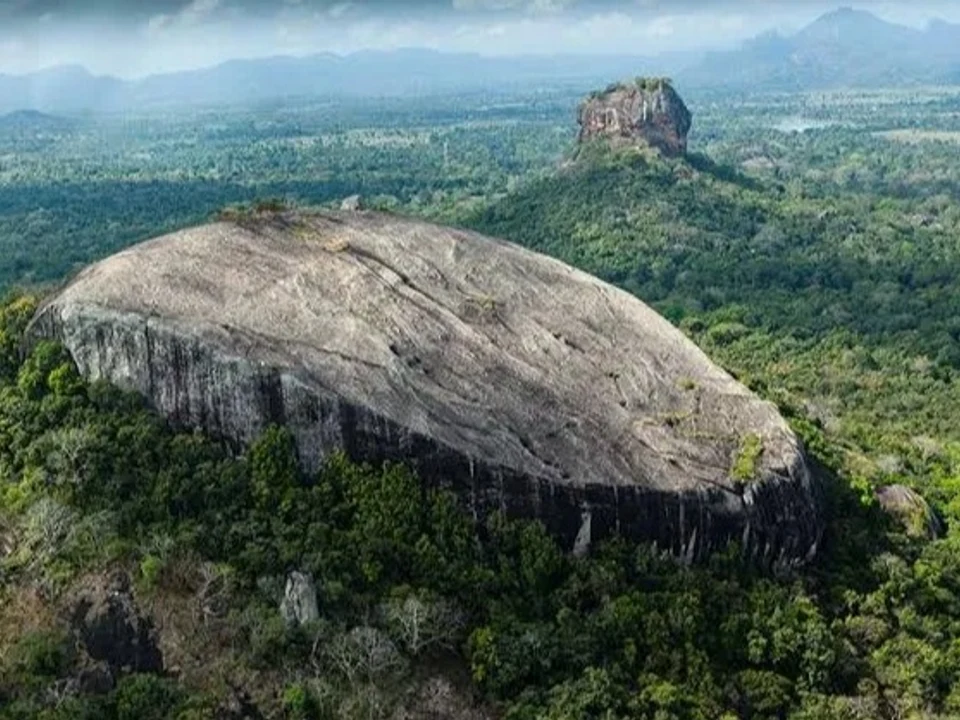
Pidurangala Rock is a separate hill temple a short drive from Sigiriya village. A marked trail leads through forest to a viewpoint on large boulders where many visitors watch sunrise or sunset with Sigiriya visible across the plain.

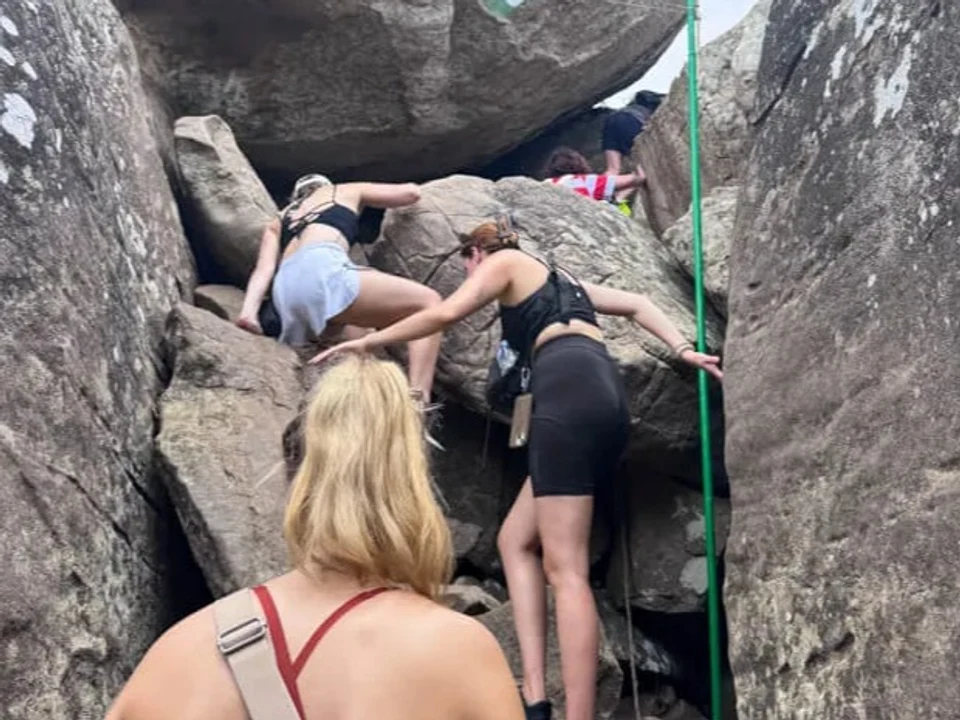
The route includes temple areas where modest dress is expected. Sections near the top involve scrambling over rock rather than formal steps, so sturdy shoes and a torch for pre-dawn walks are essential. Trails can be slippery after rain.

Pidurangala suits photographers and fit walkers who want a panoramic view without climbing the main fortress on the same day. We coordinate timing with your Sigiriya tickets and hotel location so you are not rushed.

  • Sunrise photography
  • Hill temple trail
  • Sigiriya panorama
Pidurangala Rock at Dawn

Local life

Village Trails & Countryside Experiences

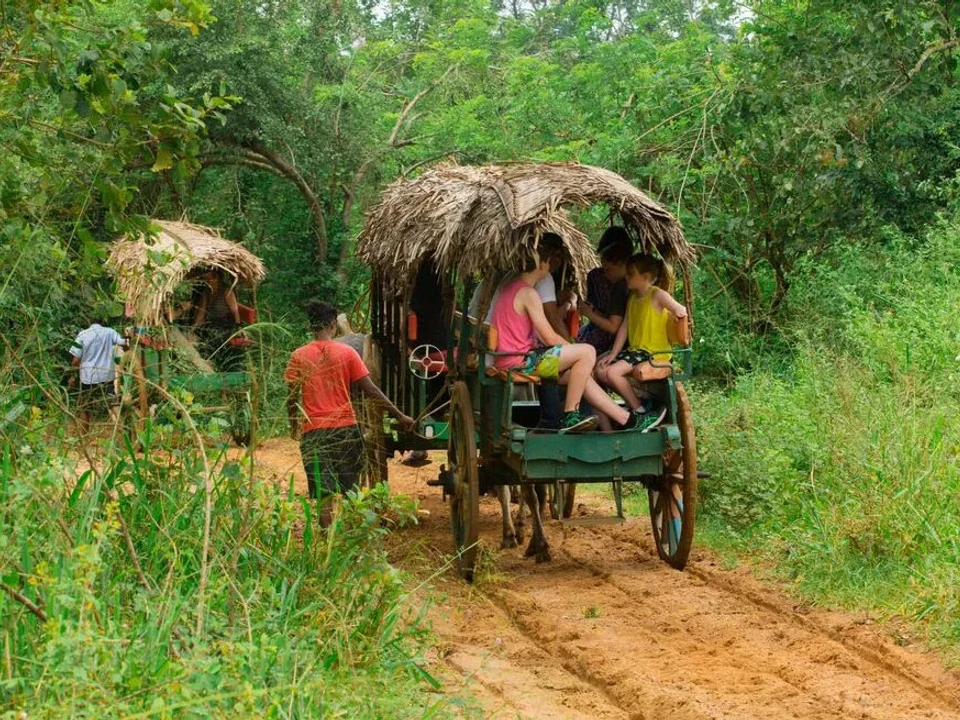
Flat countryside around Habarana and Sigiriya is well suited to guided bicycle rides through villages, paddy fields, and tree-lined lanes. Tours are usually half-day experiences with frequent stops and a relaxed pace.

Many programmes include a simple village meal or tea at a local home. This is a good way to see everyday rural life away from the main monument crowds. Helmets and route planning should be arranged through reputable local operators — we book trusted guides rather than ad-hoc rentals.

Cycling pairs naturally with a Dambulla Cave Temple visit or an afternoon rest before an evening safari. Tell us your fitness level and we adjust distance and timing.

  • Bicycle tours
  • Village lunch
  • Habarana trails
Village Trails & Countryside Experiences

Wildlife

Minneriya & the Great Elephant Gathering

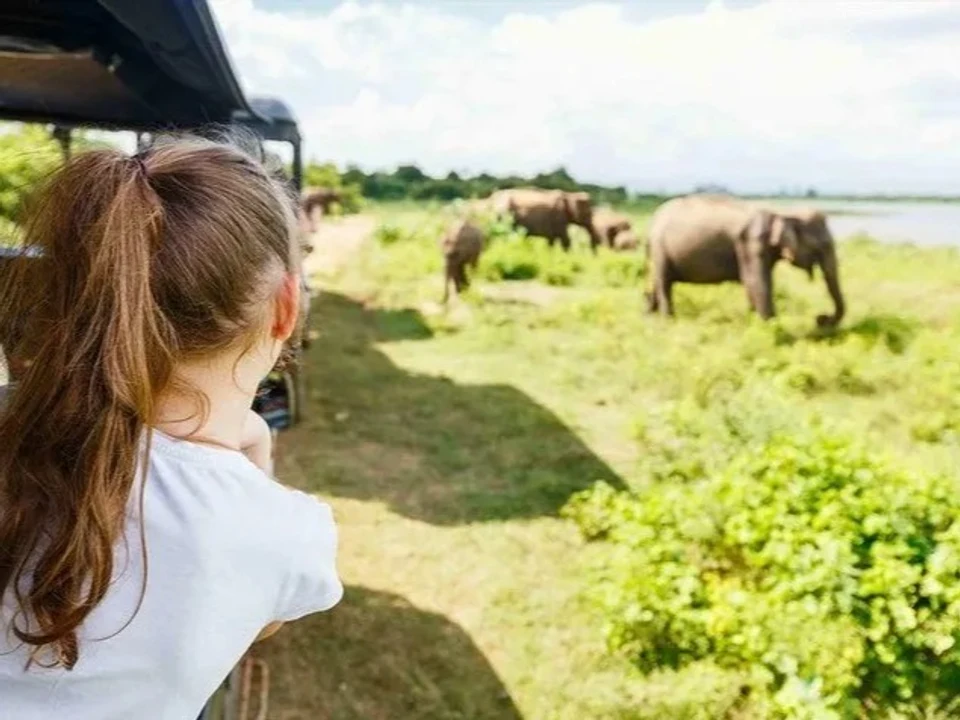
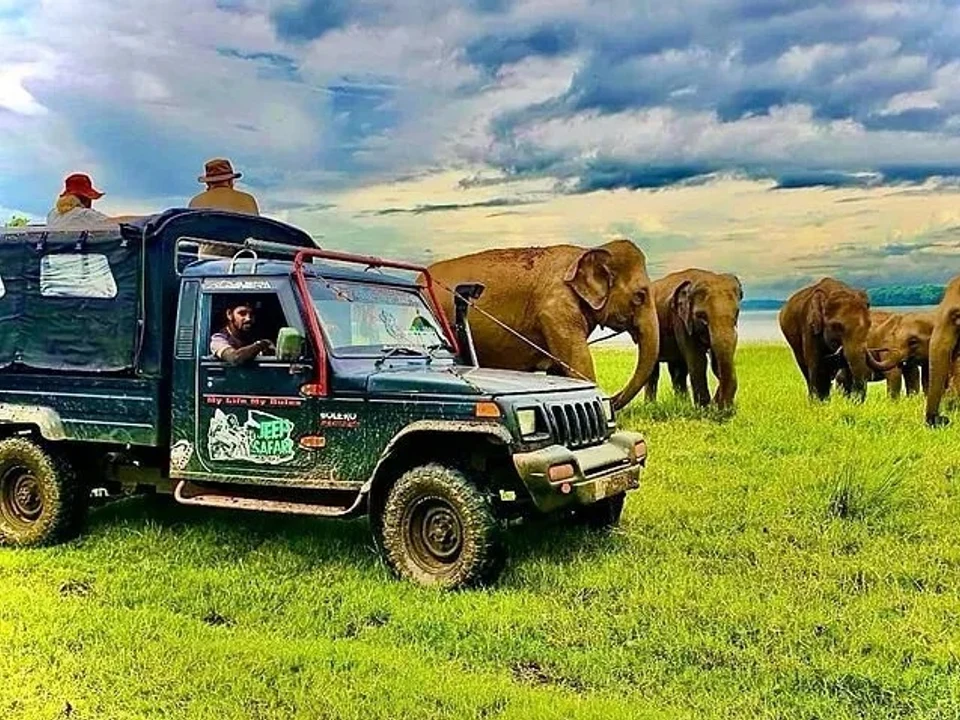
Minneriya National Park is within driving distance of Sigiriya. During the dry months, wild elephants often gather near the Minneriya tank when water elsewhere recedes — a well-known seasonal event commonly called the "Gathering." Numbers vary year to year and are never guaranteed.

Safaris use open jeeps with park-approved drivers. Typical afternoon drives last a few hours. You may also see deer, buffalo, peacocks, and waterbirds. Kaudulla and other nearby parks can be alternatives when Minneriya is busy — we suggest the best option for your travel dates.

Wildlife viewing depends on weather, season, and animal movement. We book licensed operators, keep a respectful distance from animals, and do not promote elephant rides or performances.

  • Dry-season gatherings
  • Jeep safari
  • Licensed trackers
Minneriya & the Great Elephant Gathering

Good to know

Planning Your Sigiriya Visit

Sigiriya tickets are sold at the official entrance. Fees and opening times are set by site authorities and can change — we confirm details when you book. Allow at least half a day if you plan the full climb, museum, and gardens. Many travellers stay two nights in the area to combine Dambulla, Polonnaruwa, or a safari without long daily drives.

January to September is generally drier in the Cultural Triangle, which suits climbing and outdoor activities. Wear closed shoes, a hat, sunscreen, and bring enough water. Some areas are exposed with limited shade on the rock itself.

We arrange private transfers from Colombo, Kandy, or the airport, and match the itinerary to your group — including gentler options such as gardens and nearby temples if you prefer not to summit the rock.

  • Entry tickets
  • Best season
  • What to pack
Planning Your Sigiriya Visit

Plan a trip to Sigiriya

Get a private tour quote tailored to your dates and style.

Chat on WhatsApp